
Liquid Chalk vs Regular Chalk: Which Is Better for Grip?
You know the feeling: you’re midway through a heavy deadlift set or reaching for the crux hold on a climbing route, and suddenly, your grip starts to slide. It’s not your muscles giving out—it’s the sweat. Your connection to the bar or rock is failing.
This is where magnesium carbonate—gym chalk—becomes your best friend. But walking into a modern gym or climbing center presents a dilemma. Do you stick with the old-school blocks of traditional powder chalk, or do you switch to the modern, convenient tube of liquid chalk?
The debate between liquid chalk vs regular chalk isn’t just about preference; it’s about science, gym etiquette, and specific performance metrics. While both will undoubtedly improve your grip compared to bare hands, the “better” choice depends entirely on how you train.
In this guide, we break down the chemistry, cost, and performance data referenced by experts like Elemnt Life and Warm Body Cold Mind to help you decide which grip aid belongs in your gym bag.
Liquid Chalk vs Regular Chalk: What is the Difference?
Before we dive into the performance metrics, it helps to understand what you are actually putting on your hands.
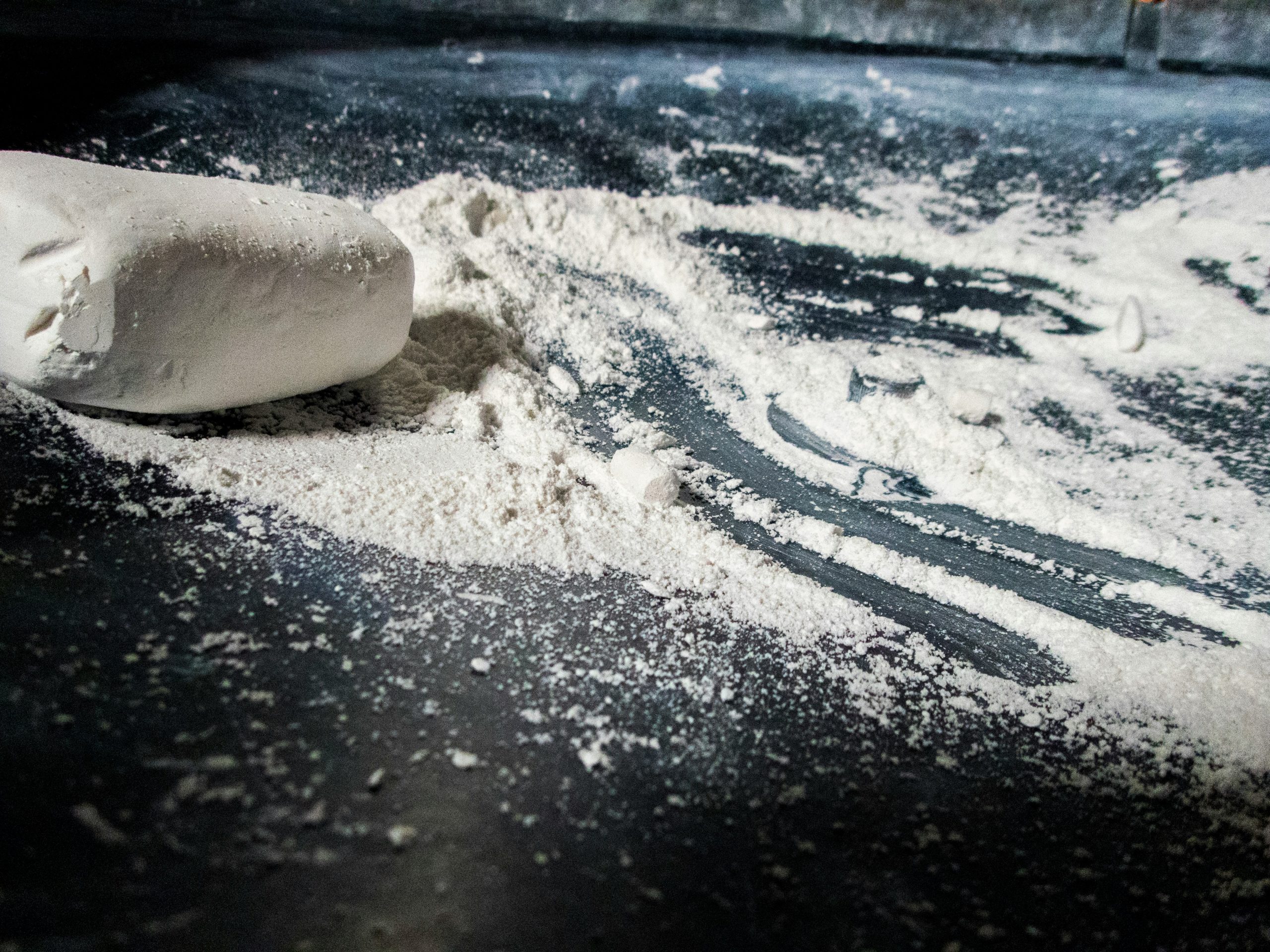
Regular Chalk is straightforward. It is magnesium carbonate ($MgCO_3$) in its raw form. It usually comes as a compressed block, a ball of crushed powder in a mesh sack, or loose powder. It works by absorbing moisture (sweat) on your hands and increasing the coefficient of friction between your skin and the object you are gripping.
Liquid Chalk is a suspension. It takes that same magnesium carbonate and mixes it with alcohol (usually ethanol or isopropyl) and often a thickener or resin. When you squirt a dollop onto your palm and rub your hands together, the alcohol evaporates rapidly. This leaves behind a uniform, dry layer of chalk that adheres to the ridges of your fingerprints.
The chemistry is similar, but the delivery system changes everything from durability to mess.
Performance: Does Liquid Chalk or Regular Chalk Improve Grip More?
If we look strictly at the numbers, does one type actually make you stronger?
Research generally shows that regular powder chalk offers a slight edge in peak friction, particularly for specific climbing grips. A study highlighted by Arcabc examining pinch grips on wooden holds found that dry magnesium carbonate increased the duration of the grip by 177.7%, whereas liquid chalk improved it by 108.8%. Both are massive improvements over bare hands, but the dry powder provided a thicker, more tactile layer that helped with that specific friction-dependent hold.
However, for weightlifting movements like pull-ups or deadlifts, the difference narrows. Studies on geometric entropy show both formats deliver statistically significant performance gains. The “better” performance often comes down to the texture you prefer:
- Regular Chalk: Allows for a thicker application. Powerlifters often prefer this for a heavy single rep because they can cake it on for maximum immediate friction, as noted by Garage Gym Competition.
- Liquid Chalk: Creates a thin, “painted-on” layer. It creates a feeling of being “locked in” without the squishy or sliding sensation that can happen if you apply too much loose powder.
The Verdict: For absolute maximum friction on a single, short effort (like a 1RM deadlift or a bouldering crux), regular chalk wins by a small margin. For consistency across a workout, liquid chalk competes closely.
Durability: How Long Does Liquid Chalk Last vs Powder?
This is where liquid chalk begins to pull ahead.
Because liquid chalk contains alcohol and binding agents (like resin), it seeps into the skin’s texture and dries there. This creates a base layer that is surprisingly resistant to sweat. Reviews from ClimbOne Equipment and anecdotal evidence from high-repetition athletes suggest that liquid chalk is significantly more durable.
If you are doing a CrossFit WOD or a high-volume hypertrophy session, regular chalk requires you to walk back to the chalk bucket every few minutes. As you sweat, the powder turns into a sludge that can actually reduce grip, forcing you to wipe your hands and reapply.
Liquid chalk, conversely, tends to stay effective for longer durations. Many athletes report getting through 7 or 8 sets of deadlifts on a single application. While you can’t “top up” liquid chalk as quickly mid-set (because you have to wait 10–20 seconds for it to dry), you generally don’t need to.
Gym Etiquette: Why Commercial Gyms Prefer Liquid Chalk
If you train in a commercial gym (like a Planet Fitness, Gold’s, or a luxury health club), the decision might be made for you.
Regular chalk is messy. It spills, it coats the barbells, and it creates dust clouds that settle on equipment and HVAC filters. For this reason, many commercial facilities have banned loose chalk entirely.
Liquid chalk is the stealth option. It creates zero mess. Because the chalk is suspended in fluid, it doesn’t become airborne when you apply it. You can carry a bottle in your pocket, apply it discreetly, and wash it off easily at the end of the session. If your gym has a “No Chalk” sign, they usually mean “No Powder.” Most staff will turn a blind eye to liquid chalk because it doesn’t leave a cleanup job for them.
Safety and Health: Chalk Dust and Air Quality
The mess isn’t just an annoyance; it’s a health variable.
In closed environments like indoor climbing gyms, airborne chalk dust is a serious concern. Data from Air Spectrum indicates particulate matter concentrations in climbing gyms can reach as high as 597 μg/m³. These respirable particles can exacerbate asthma and cause long-term respiratory irritation for staff and athletes who spend hours there.
Liquid chalk acts as a solution to this aerial hazard. By trapping the magnesium carbonate in liquid until it adheres to the hand, it reduces dust clouds by up to 99% compared to loose powder.
However, liquid chalk has one downside for skin health: The alcohol base. Frequent use of high-concentration alcohol can severely dry out your skin, leading to cracks or splits, especially in cold weather. If you have sensitive skin, you may find that liquid chalk stings or causes irritation that regular chalk does not.
Cost Analysis: Is Liquid Chalk More Expensive?
At a glance, regular chalk seems cheaper. A block of chalk might cost $2–$5, while a bottle of high-quality liquid chalk costs $10–$20.
But the “miles per gallon” favors liquid.
- Waste: When you use a chalk block or loose powder, a significant percentage falls to the floor or floats into the air. You are paying for product that never helps your grip.
- Efficiency: A dime-sized drop of liquid chalk covers your whole palm. A single bottle can last a casual lifter several months.
When you factor in the frequency of reapplication and the lack of waste, the long-term cost of liquid chalk is comparable to, or sometimes even cheaper than, regular chalk for the frequent user.
The Hybrid Approach: Combining Liquid and Powder Chalk
Why choose one when you can use both? This is the “secret weapon” strategy used by competitive climbers and elite powerlifters, and recommended by experts at Flashed.
The Strategy:
- Base Layer: At the start of your session, wash and dry your hands, then apply a layer of liquid chalk. Let it dry completely. This seals your pores and provides a durable, sweat-resistant foundation.
- Top Coat: As you progress through your workout and need extra friction for max effort sets, dab your hands into a regular chalk bag or block.
The liquid chalk prevents your sweat from degrading the grip from the inside, while the powder provides the high-friction surface texture on the outside. It is the most effective way to maintain grip for long, grueling sessions.
Five Key Takeaways
- Performance is Contextual: Regular chalk offers higher peak friction (up to 177% improvement) for specific holds, but both types significantly improve grip over bare hands.
- Liquid for Durability: Liquid chalk lasts longer per application and withstands sweat better, making it ideal for high-rep sets or circuit training.
- Gym Etiquette Matters: Liquid chalk is the only option for “commercial” gyms due to its no-mess, dust-free application.
- Air Quality vs. Skin Health: Regular chalk creates respiratory dust hazards; liquid chalk eliminates dust but the alcohol content can dry out and crack sensitive skin.
- The Hybrid Method: The optimal grip strategy for serious athletes is applying a liquid chalk base layer topped with regular chalk for immediate texture.
Frequently Asked Questions
1. Is liquid chalk better than regular chalk for lifting?
Yes, generally speaking—for convenience and gym acceptance. Liquid chalk provides a longer-lasting grip, superior sweat control, and creates zero mess. However, powerlifters doing a 1-rep max deadlift often prefer the thicker coating of regular chalk.
2. Does chalk actually improve grip strength, or is it psychological?
It is definitely both. Research from the NIH shows chalk physically increases friction, measurably improving hang time to failure. However, the psychological confidence of feeling “locked in” also plays a massive role in performance.
3. What’s the difference between the two types chemically?
Both are primarily Magnesium Carbonate ($MgCO_3$). The difference is the vehicle: Liquid chalk suspends the magnesium in alcohol (ethanol/isopropyl) and sometimes resin. Regular chalk is just the raw magnesium carbonate in block or powder form.
4. Can I really use both together?
Absolutely. This is the “hybrid approach.” Apply liquid chalk first as a base layer to manage sweat and durability, then dip your hands in loose chalk for extra tactile feedback during your heaviest sets.
5. Does liquid chalk damage skin?
It can. The alcohol required to keep the chalk liquid is a drying agent. With frequent use, this can strip natural oils from your hands and cause cracking. It is recommended to wash your hands immediately after your workout and use a high-quality moisturizer.
6. Which is better for outdoor climbing versus indoor gyms?
Regular chalk is king outdoors because you can reapply it instantly mid-climb, and the mess doesn’t matter. Liquid chalk dominates indoors due to air quality concerns, gym rules, and cleanliness.
7. How often should I reapply chalk during a workout?
It depends on how much you sweat. Heavy sweaters might need to reapply every set. However, because liquid chalk is more durable, many athletes find they can go 7–8 sets of heavy lifting without needing a second coat.
Add your first comment to this post